
Dental Bone Grafts in Clovis, CA
When you lose a tooth, the jawbone supporting that tooth can gradually lose volume because it is no longer stimulated by the natural tooth root. Reduced bone volume can make it more difficult to place a dental implant or provide stable support for certain tooth replacement options.
At Clovis Country Dental, we provide personalized bone grafts in Clovis, CA for patients who may need additional bone support as part of their dental treatment plan.
A bone graft may help rebuild or preserve bone in areas where bone volume has been reduced. Your dentist will evaluate your teeth, gums, jawbone, and treatment goals to determine whether bone grafting is appropriate for you.
What Is a Dental Bone Graft?
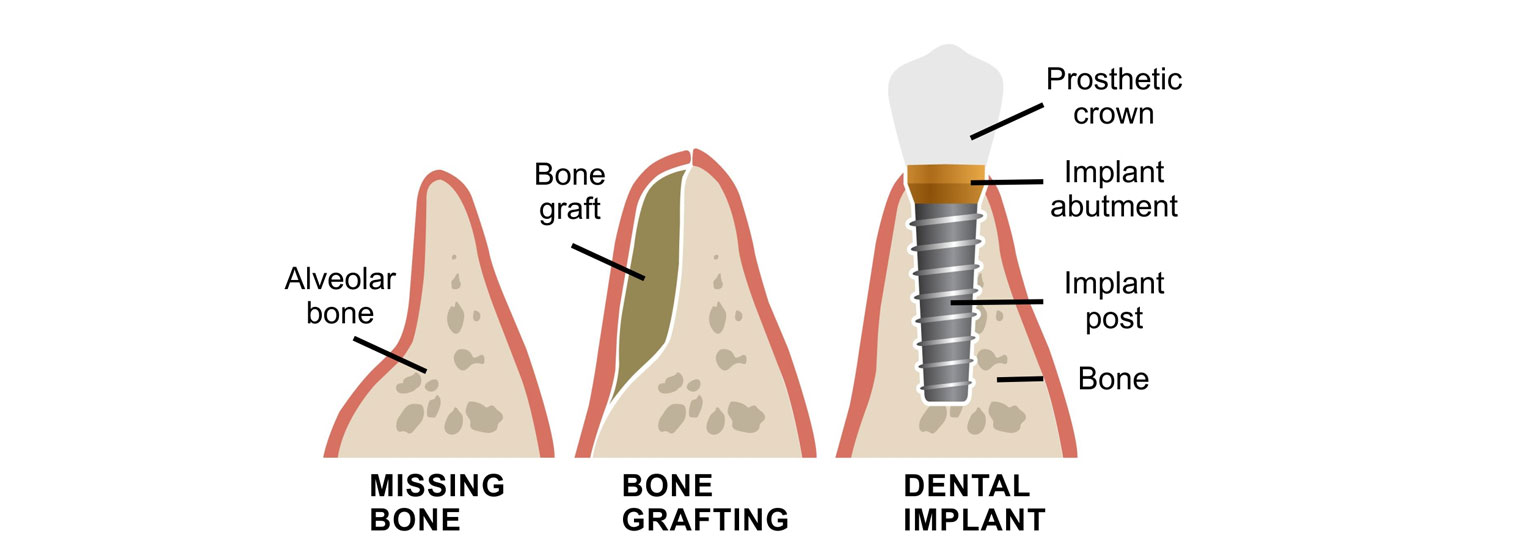
A dental bone graft is a procedure that adds bone grafting material to an area where the jawbone has lost volume or needs additional support.
The grafting material may come from different sources, including the patient’s own bone or processed donor, animal-derived, or synthetic materials, depending on the treatment plan.
Over time, the grafted area can undergo healing and bone remodeling. The goal is to create a healthier and more stable foundation for future dental treatment when additional bone support is needed.
Why Might I Need a Bone Graft?
Bone loss can occur for several reasons, including:
- Missing teeth
- Previous tooth extraction
- Advanced gum disease
- Trauma or injury
- Infection or severe tooth damage
- Natural changes in the jawbone after tooth loss
Not everyone with a missing tooth requires a bone graft. Your dentist will evaluate the available bone and the planned restoration before recommending treatment.
If a tooth cannot be saved and needs to be removed, preserving the area after extraction may be considered as part of your future tooth replacement plan. Learn more about dental extractions.
Bone Grafts and Dental Implants
One of the most common reasons for dental bone grafting is to prepare an area for a future dental implant.
Dental implants are placed into the jawbone and require adequate bone support for proper placement. When bone volume is insufficient, a bone graft may be recommended before or as part of implant treatment.
If you are missing one or more teeth, our dental implants page provides more information about implant-based tooth replacement.
The need for bone grafting depends on the amount and condition of your existing bone, the location of the missing tooth, and your individual treatment plan.
What Happens During a Bone Graft Procedure?
The exact procedure depends on the location and amount of bone that needs to be restored.
1. Dental Evaluation
Your dentist examines your teeth, gums, and jawbone and may use dental X-rays or other diagnostic images to evaluate the treatment area.
2. Treatment Planning
If bone grafting is recommended, your dentist will explain the procedure, the type of grafting material being considered, and how it fits into your overall treatment plan.
3. Bone Grafting
The grafting material is placed in the area where additional bone support is needed. The area is then protected while the healing process begins.
4. Healing and Follow-Up
The grafted area needs time to heal and integrate with the surrounding bone. The length of healing can vary depending on the procedure, the location of the graft, and the patient’s individual healing response.
If the graft is being performed to support a future dental implant, your dentist will determine when the area is ready for the next stage of treatment.
Do I Need a Bone Graft Before a Dental Implant?
Not necessarily.
Some patients have enough healthy jawbone to receive an implant without a separate bone graft. Others may have experienced bone loss and require additional bone support before implant placement.
The best way to determine whether you need a graft is through a dental examination and appropriate imaging.
If you are considering replacing missing teeth, our team can evaluate whether a dental implant, bridge, denture, or another restoration may be appropriate.
You can also learn about dental bridges and dentures as alternative tooth replacement options.
Bone Graft After Tooth Extraction
After a tooth is removed, the surrounding bone may gradually shrink because the natural tooth root is no longer present.
In selected cases, your dentist may recommend bone preservation or grafting around the time of an extraction, particularly when future implant treatment is being considered.
Planning tooth replacement before an extraction can help your dentist determine whether preserving the bone should be part of your treatment plan.
Is Bone Grafting Painful?
Some soreness, swelling, or discomfort can occur after a bone graft procedure. Your dentist will provide specific post-operative instructions and explain how to manage discomfort during recovery.
The level of discomfort can vary depending on the extent and location of the procedure and your individual healing response.
If dental anxiety is a concern, Clovis Country Dental also offers sedation dentistry for appropriate patients and procedures.
How Long Does a Bone Graft Take to Heal?
Healing time varies from patient to patient and depends on factors such as the size and location of the graft, the type of grafting procedure, overall oral health, and individual healing.
Your dentist will monitor the area during follow-up appointments and determine when sufficient healing has occurred for the next stage of treatment.
If an implant is planned, the implant placement timeline will depend on the condition of the grafted area and your individual treatment plan.
How Can I Support Healing After a Bone Graft?
Following your dentist’s post-operative instructions is important for proper healing.
Depending on your procedure, you may be advised to:
- Keep the surgical area clean as directed.
- Avoid disturbing the grafted area.
- Follow any recommended diet or activity restrictions.
- Take medications exactly as prescribed or recommended.
- Avoid smoking or tobacco products.
- Attend scheduled follow-up appointments.
- Contact your dental office if you experience unusual symptoms or concerns.
Maintaining good oral hygiene is also important for protecting your teeth and gums. Regular dental exams and cleanings can help monitor your overall oral health.
Bone Grafts in Clovis, CA
If you are looking for bone grafting in Clovis, CA, Clovis Country Dental can evaluate your jawbone and determine whether bone grafting may be appropriate for your dental treatment.
Bone grafting may be considered as part of a treatment plan for patients with bone loss, missing teeth, or those preparing for certain dental implant procedures.
Our dental office is located at:
2141 Shaw Ave Ste 105
Clovis, CA 93611
Call (559) 552-0700 to schedule an evaluation with Clovis Country Dental.
Whether you need to replace a missing tooth or prepare for future implant treatment, our team can help you understand your options, including dental implants, dental extractions, dental bridges, and dentures.
FAQs – Frequently Asked Questions
- Why do I need a bone graft? Bone grafts are essential for replacing missing or damaged bone in your jaw. Whether a cavity has reduced your tooth to an empty, gummy space after an extraction, or gum disease has caused loose teeth, a bone graft can repair and rebuild the damaged bone needed to support a dental implant.
- Are bone grafts painful? Most patients who receive bone grafts will be sore for several days but as long as they take any recommended medication and follow their post-operative instructions this will be short-lived. The benefits of a bone graft far outweigh the temporary discomfort caused by the procedure itself.
- Can bone graft be removed? There is a higher risk for bone graft failure in patients with existing medical conditions or are smokers. The good news is your dentist will still be able to remove and replace the failed bone graft with a second bone graft procedure, once the surgical area is healed.